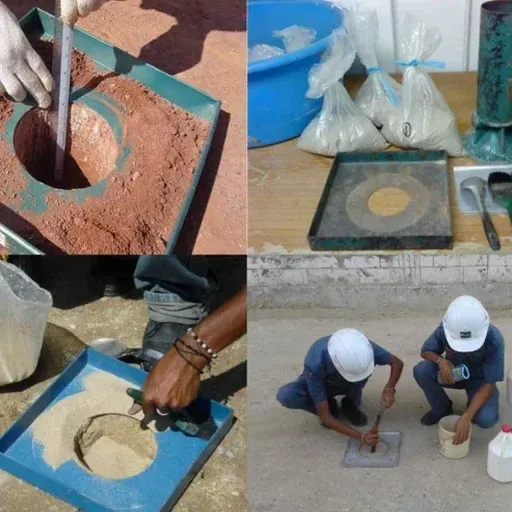
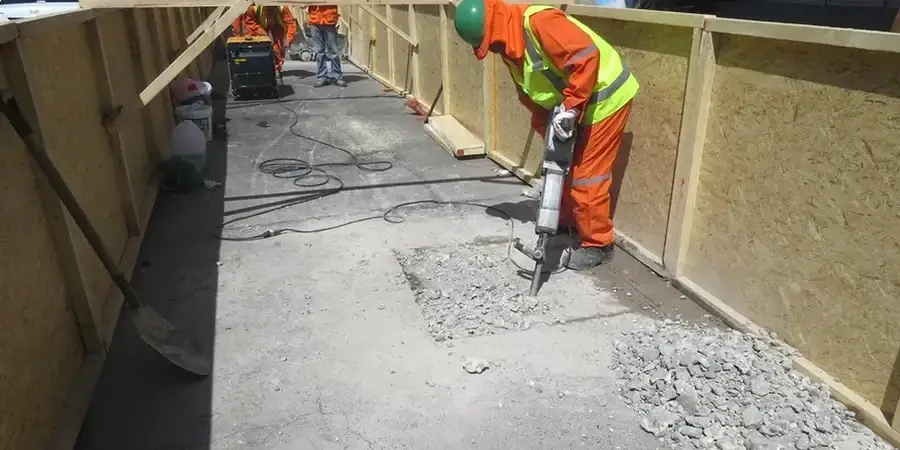
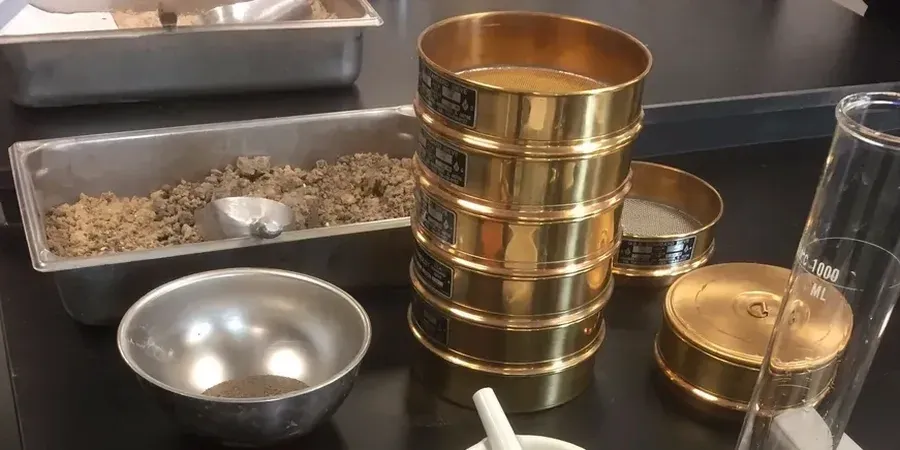
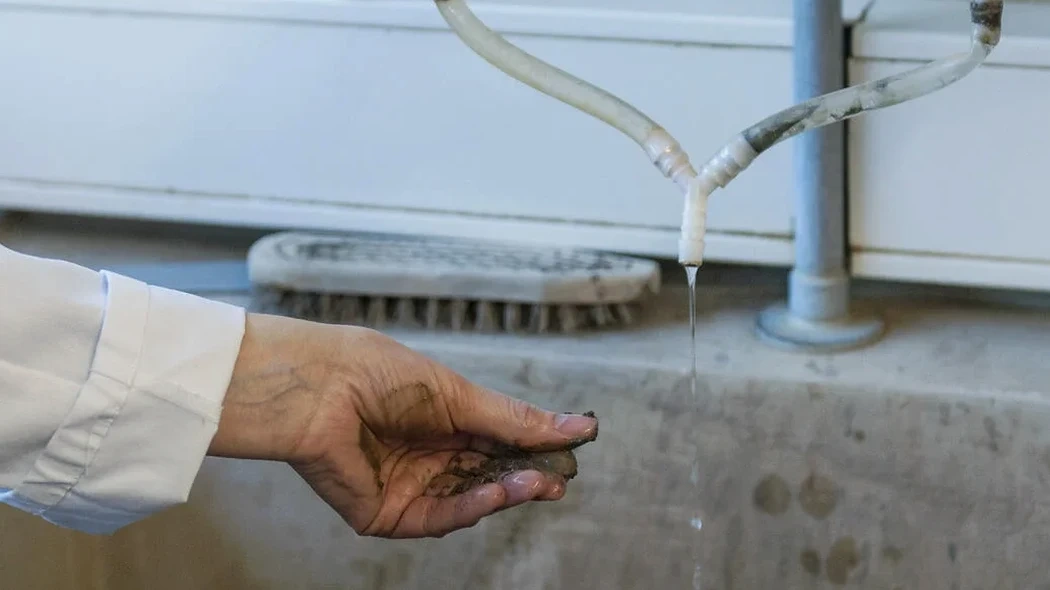
Red Deer's development as a central Alberta hub, strategically positioned between Calgary and Edmonton along the Queen Elizabeth II corridor, has always been intertwined with the Red Deer River. The city's expansion onto the glacial till plains and into the river valley means encountering highly variable deposits—from dense basal till to outwash sands and gravels. In our experience, understanding how water moves through these formations is not a secondary consideration; it's fundamental engineering data. A field permeability test using Lefranc or Lugeon methods provides the direct hydraulic conductivity values that empirical correlations simply cannot match. For projects near Waskasoo Creek or along the steep valley slopes, we combine these tests with a slope stability analysis to accurately model pore pressure conditions. The layered geology here, shaped by multiple glacial advances and retreats, demands in-situ measurement rather than reliance on grain-size estimates alone, especially when designing dewatering systems or assessing seepage under proposed footings and retaining structures.
In fractured Paskapoo Formation bedrock, a Lugeon test reveals secondary permeability that a lab sample will never show—this is the data that keeps dewatering plans grounded in reality.